Why Do We Need Efficient Deep Learning Computing?
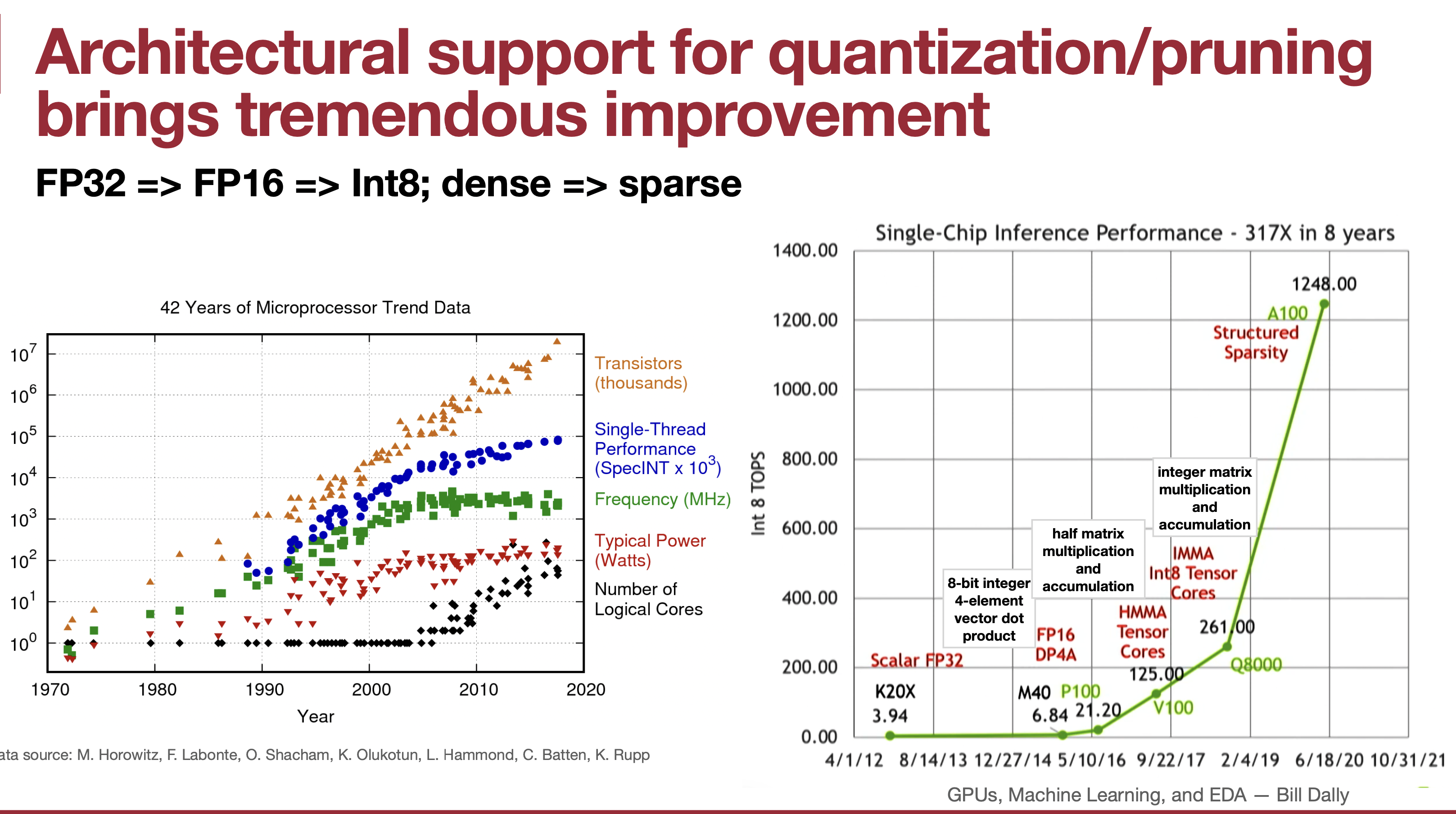
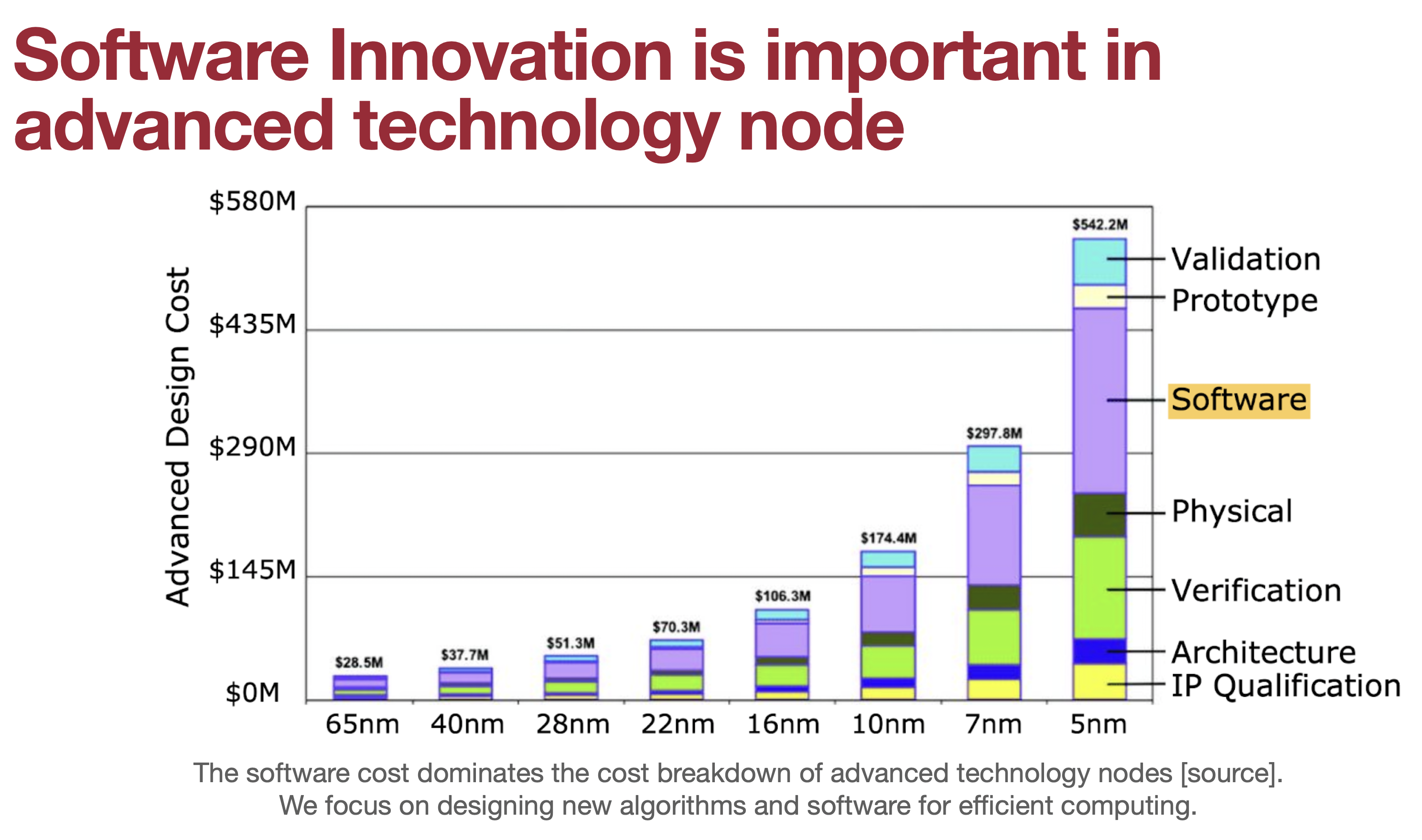
Efficient deep learning computing speeds training, reduces costs, and enhances scalability
Efficient deep learning computing is critical due to the vast computational resources required for training large models. Without efficient systems, training times would be long, and the cost of resources would become prohibitive, limiting accessibility and scalability.
Training deep learning models on large datasets can take days or even weeks, making efficient computation necessary to speed up the process. Optimized systems help manage resource consumption, reduce costs, and improve scalability for both research and production applications.
As deep learning models grow in size, the need for efficient systems to handle larger datasets and complex architectures becomes more important. Efficient computing also reduces energy consumption, making AI deployment more sustainable and cost-effective.
Efficient deep learning systems ensure fast inference speeds, which are critical for real-time applications. This efficiency enables broader access to AI, allowing more organizations to innovate and deploy deep learning solutions at scale.
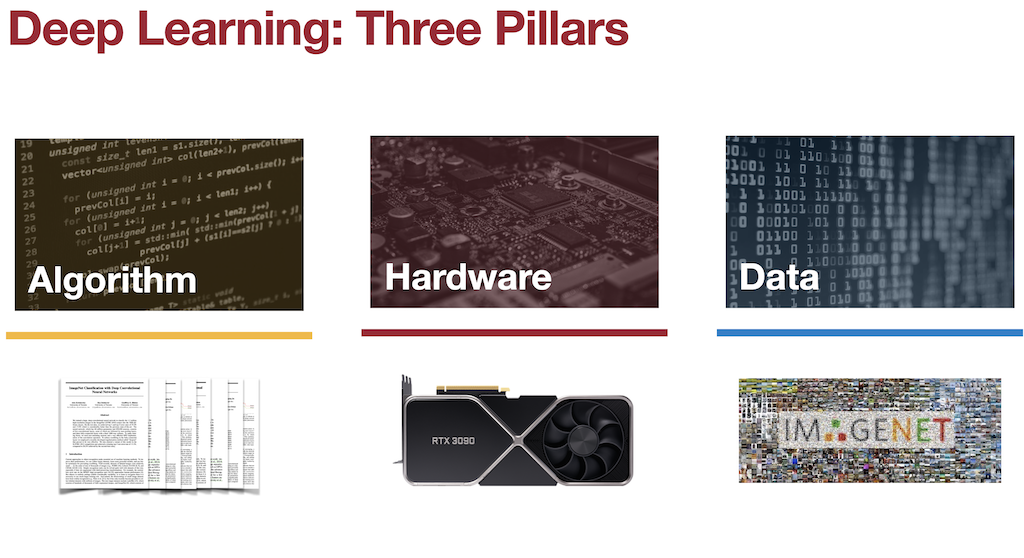
The Three Pillars of Deep Learning
Data:
High-quality, large-scale data is crucial for training deep learning models. The quantity and quality of data directly impact a model’s ability to learn and generalize, making data preprocessing, augmentation, and proper labeling vital for success.
Algorithm:
The algorithm, or model architecture, defines how a deep learning system processes data and learns patterns. Selecting the right algorithms and optimizing them for specific tasks—such as using CNNs for image tasks or transformers for language—determines the model’s performance and efficiency.
Hardware:
Efficient hardware is fundamental for deep learning, as training large models requires significant computational power. GPUs, TPUs, and other specialized accelerators enable faster training and inference, reducing the time and resources needed for deep learning tasks.